Summary:
Knee pain from arthritis, injuries, or overuse can be treated non-surgically with joint injections in Canton. Georgia Medical Treatment Center offers corticosteroid, hyaluronic acid, and PRP injections that deliver medication directly to the joint for faster, longer-lasting relief than oral pain relievers. Most patients can return to normal activity within 6 weeks.
Knee pain isn’t something you can ignore. It often flares up when you least expect it, making it difficult to walk, climb stairs and do other everyday activities. The good news is that Georgia Medical Treatment Center offers joint injections in Canton to help relieve this type of pain.
Understanding Knee Pain and Joint Injections
Common Causes of Knee Pain
Arthritis is a group of diseases that cause inflammation, swelling and pain in the joints. Osteoarthritis, known as “wear-and-tear arthritis,” is the most common type. You can also develop arthritis if you have an autoimmune disorder or an infection in the joint (septic arthritis).
The structure and function of the knee make it particularly susceptible to injuries. For example, if you participate in running or jumping sports, you might tear your ACL (anterior cruciate ligament), fracture your knee or dislocate a knee joint. In people with obesity, extra weight increases the amount of stress on the knee, increasing the risk of injury.
Overuse refers to repetitive, excessive stress. Examples include jogging, squatting and jumping. You can even overuse your knees if you spend a lot of time kneeling in your garden or hiking without sufficient rest. Overuse causes microtrauma to the tissue, resulting in pain, swelling and other symptoms.
How Joint Injections Work to Reduce Pain and Inflammation
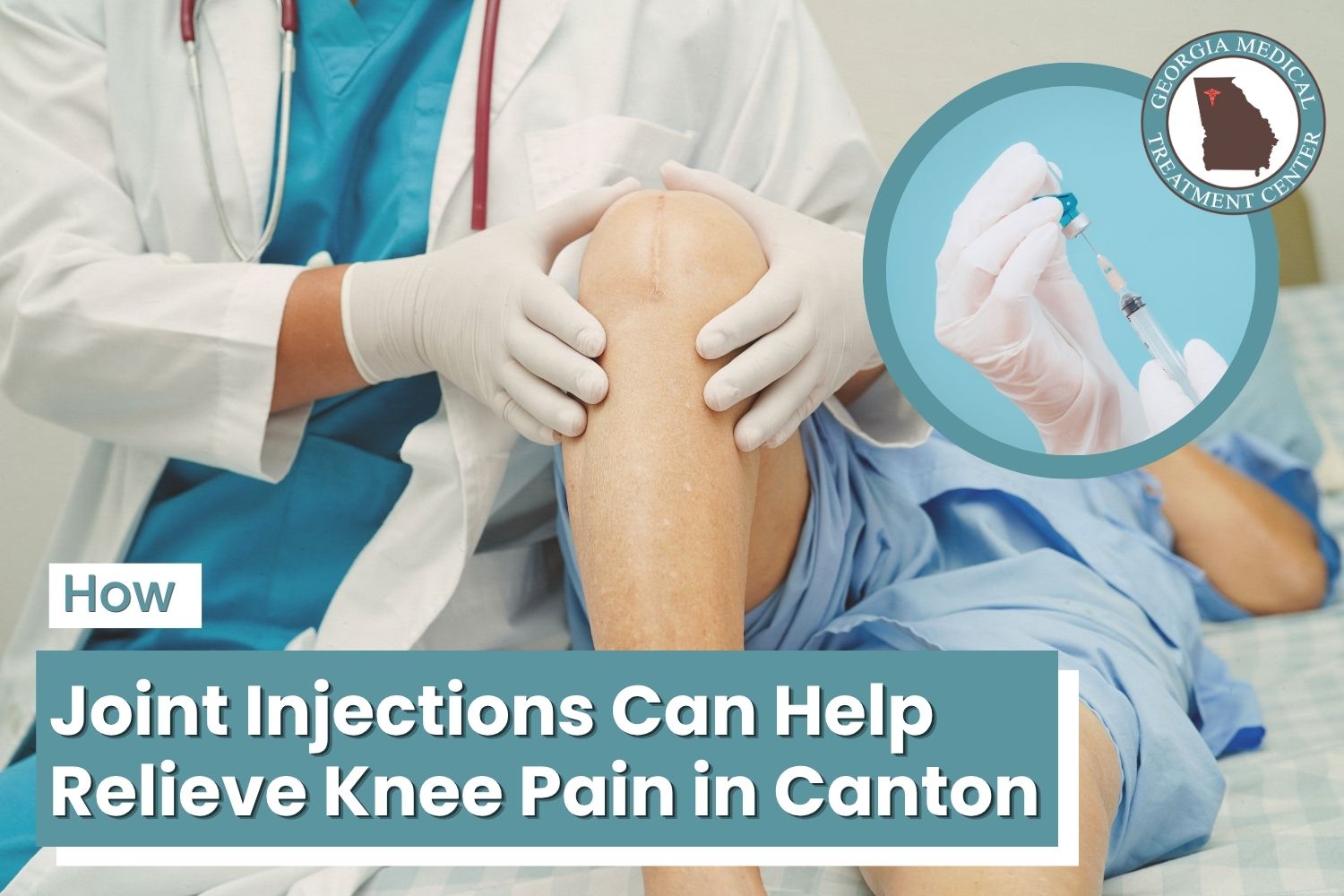
When you see a knee doctor in Canton, they may recommend joint injections to reduce pain and inflammation. Each injection delivers medication directly to the joint, making injections more effective than over-the-counter pain relievers that break down in your digestive system and then travel through your bloodstream.
Types of Joint Injections and How They Help
Corticosteroid Injections for Rapid Relief
Corticosteroids mimic the natural chemicals that help your body regulate inflammation. When injected by a knee pain specialist in Canton, they provide quick relief. Corticosteroid injections may also relieve pain for several weeks, while oral pain relievers wear off after just a few hours.
Hyaluronic Acid and Other Regenerative Options
Hyaluronic acid injections deliver a natural lubricant directly to your knee joint. This procedure is also known as viscosupplementation. Once it’s in place, the hyaluronic acid helps cushion your knee joint, reducing inflammation and pain.
Another option is platelet-rich plasma injections (PRP). These injections are made from your own blood, so they’re highly compatible with your body. PRP injections stimulate healing and help regenerate the damaged tissue in your knee.
What to Expect During and After Treatment
The Procedure Step-by-Step
If you decide to get knee joint injections in Canton, your specialist may follow these steps:
- Position you with your knee bent.
- Sanitize your skin.
- Apply a numbing agent or cold spray.
- Insert a needle in the joint space.
- Inject medication.
- Remove the needle.
- Apply an adhesive bandage.
Before you get PRP injections, you’ll have to give a blood sample. We’ll separate the plasma and then inject it into the joint space. Platelets contain natural growth factors designed to promote healing.
Recovery Tips and Activity Recommendations
Generally, you should rest for 24 to 48 hours after a knee injection, but your specialist will provide recovery instructions tailored to your needs. It’s especially important to avoid heavy lifting and strenuous activity during the initial recovery period. You should be able to return to your normal routine after 6 weeks.
Complementary Therapies to Support Knee Health
Physical Therapy, Strengthening and Mobility Exercises
Physical therapy complements knee injections by strengthening the muscles around the joint. Our knee pain clinic has experienced physical therapists available to guide you through targeted exercises.
Lifestyle Adjustments for Long-Term Relief
Lifestyle adjustments can also help you relieve chronic knee pain. If you don’t exercise regularly, try walking or swimming. These low-impact exercises can help you strengthen your muscles and avoid knee pain caused by sitting for prolonged periods. It’s also helpful to wear supportive shoes, lose excess weight and adjust your work area so that you can sit with your feet flat on the floor.
When to See a Knee Specialist
Warning Signs That Require Professional Evaluation
You may be able to relieve occasional knee pain with ice, rest and over-the-counter pain relievers. If the pain is persistent, or if it’s accompanied by any of these symptoms, see a knee pain specialist in Canton:
- You hear a “popping” sound while injuring your knee.
- The pain is intense.
- You can’t bear weight on the injured knee.
- Your knee swells up suddenly.
- The knee is warm and tender.
- You have a fever accompanied by pain and swelling of the knee joint.
How a Specialist Tailors Treatment to Individual Needs
When you see a knee pain doctor in Canton, they’ll examine your knee, ask about your lifestyle and order imaging to help determine the root cause of your pain. This makes it possible to create a treatment plan based on your unique needs.
At Georgia Medical Treatment Center, we’re proud to offer non-surgical, FDA-approved pain treatments for patients with chronic knee pain. Contact us today to schedule an appointment with one of our board-certified physicians.
Frequently Asked Questions (FAQs)
Q: What are joint injections for knee pain? A: Joint injections deliver medication directly to the knee joint to reduce pain and inflammation. Because the medication goes straight to the source, injections are more effective than over-the-counter pain relievers, which break down in the digestive system before traveling through the bloodstream.
Q: What types of knee joint injections are available in Canton? A: Georgia Medical Treatment Center offers three main types: corticosteroid injections for rapid inflammation relief, hyaluronic acid injections (viscosupplementation) to lubricate and cushion the joint, and platelet-rich plasma (PRP) injections made from your own blood to stimulate healing and regenerate damaged tissue.
Q: How long do knee injections last? A: Corticosteroid injections may relieve pain for several weeks, compared to oral pain relievers that wear off after just a few hours. Relief duration varies by injection type, individual condition, and the severity of knee damage.
Q: What is viscosupplementation? A: Viscosupplementation is the procedure in which hyaluronic acid — a natural lubricant — is injected directly into the knee joint. Once in place, it helps cushion the joint, reducing inflammation and pain.
Q: What is a PRP injection and how does it work? A: PRP (platelet-rich plasma) injections are made from a sample of your own blood. The plasma is separated and injected into the joint space. Platelets contain natural growth factors that promote healing and help regenerate damaged tissue in the knee.
Q: What should I expect during and after a knee injection? A: The procedure involves positioning your knee, sanitizing the skin, applying a numbing agent, inserting a needle into the joint space, injecting the medication, and applying a bandage. Afterward, you should rest for 24 to 48 hours, avoid heavy lifting and strenuous activity, and you should be able to return to your normal routine after 6 weeks.
Q: When should I see a knee pain specialist in Canton? A: See a specialist if your pain is persistent or intense, you hear a popping sound when injuring your knee, you can’t bear weight on the knee, it swells suddenly, feels warm and tender, or if you have a fever accompanied by knee pain and swelling.
Q: Are knee joint injections surgical? A: No. Georgia Medical Treatment Center specializes in non-surgical, FDA-approved pain treatments for chronic knee pain. Joint injections are minimally invasive and do not require the recovery time associated with surgery.